

UNESCO releases the International Code of Ethics for Traders in Cultural Property
Building on the principles of the 1970 Convention, UNESCO’s International Code of Ethics for Traders in Cultural Property offers an ethical framework to support responsible art market. It aims to strengthen cooperation, promote due diligence, and support collective efforts to prevent and combat the illicit trafficking of cultural property.
Endorsed by the UNESCO Intergovernmental Committee for Promoting the Return of Cultural Property to its Countries of Origin or its Restitution in Case of Illicit Appropriation (ICPRCP) at its twenty-fifth session in May 2026, the Code is now open for adherence by art market professionals.
Released June 2026 by UNESCO
Members of the trade in cultural property recognize the key role that trade has traditionally played in the dissemination of culture and in the distribution to museums and private collectors of foreign and domestic cultural property for the education and inspiration of all peoples.
They acknowledge the worldwide concern over the illicit trafficking of stolen, illegally alienated, clandestinely excavated, and illegally exported and imported cultural property,
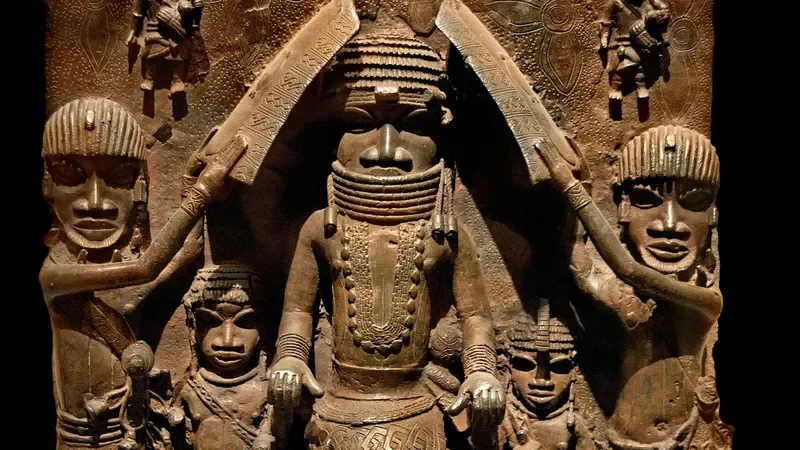
Always on such lists if bad behaviour, unfortunately
The 16th-17th century Benin Bronzes from the Kingdom of Benin (modern-day Nigeria), are perhaps the most famous example of an object displaced from its country of origin and subsequent debates around restitution. Peter Horree/Alamy.